
OBBBA expert insights for business owners: This on-demand replay brings together four seasoned experts to break down what the One Big Beautiful Bill Act (OBBBA) means in real life for closely held businesses, high-income entrepreneurs, and families building multi-generation wealth. In just one session you’ll see how tax planning, insurance, exit strategy, and estate planning all connect.
Over the course of three hours, you’ll learn how to:
Watch the full 3-hour replay here. Short on time? Skim the speaker highlights below and come back for the deep dive.
In the opening session, Laura frames the entire conversation around one core reality: you can’t build wealth with tax advice designed for someone else’s business. She walks through how OBBBA reshapes the planning landscape for profitable entrepreneurs, then connects it to day-to-day decisions owners are already making about entities, income, and cash flow.
Laura starts by grounding everyone in the current environment: market volatility, inflation, interest rates, and political uncertainty on one side – and a new, clearer tax framework under OBBBA on the other. Instead of reacting in fear, she shows how to use this clarity to lock in strategies while windows of opportunity are open. That includes:
She also stresses the importance of timing under OBBBA: some moves are “anytime” strategies, but others are heavily deadline-driven (year-end elections, state-level PTET decisions, retirement plan funding, and entity elections that only work if done before a liquidity event). The takeaway: if you wait until tax season to think about OBBBA, you’re already late.
Throughout her segment, Laura keeps coming back to coordination. The owner, CPA, attorney, insurance team, and investment advisors all need to be reading from the same playbook. When they are, business owners can systematically reduce tax drag, redirect savings into wealth-building vehicles, and be ready for future exits or generational transfers without scrambling at the last minute.
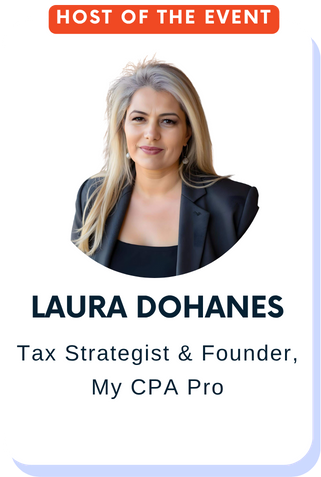
A nationally respected tax strategist with over two decades of experience helping business owners and high-net-worth individuals use the tax code to protect and multiply wealth. Laura is known for translating complex legislation into clear, actionable strategy — not theory.
Charles zooms in on one of the most emotionally charged issues under OBBBA: what happens to the business – and your heirs – when you’re gone. With higher estate and gift exemptions in play, many owners now technically “fit” inside the limits today but will still face estate tax problems tomorrow as the business and investments grow.
He explains how life insurance, when used correctly and owned inside the right kind of trust, can act as a liquidity engine for estate taxes and family buyouts. Instead of heirs being forced to sell operating companies, real estate, or legacy assets to pay a large tax bill, the trust-owned policy can create cash at exactly the moment it’s needed.
Key points from Charles’ segment include:
Charles also walks through sample scenarios where a large closely held business would face an eight-figure estate tax without planning, and how pairing trusts with properly structured insurance can prevent the IRS from becoming the largest “heir.” His focus is not on product sales, but on creating options: the option for heirs to keep the company, buy out siblings, or reinvest proceeds instead of liquidating under pressure.
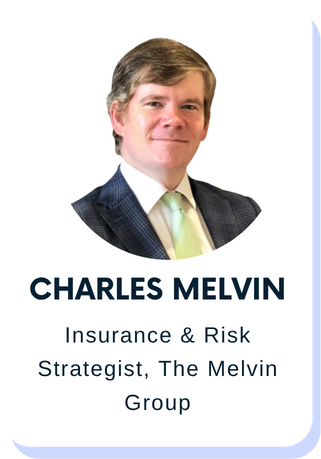
Charles helps business owners turn insurance from a cost center into a strategic shield — integrating coverage, deductibility, and asset protection. Known for his authentic, educational approach, he bridges insurance with real financial strategy.
Lee brings the M&A practitioner’s lens to the table. As a blue-collar and founder-led business specialist, he shows how OBBBA sits alongside something even more disruptive: AI and automation reshaping what buyers are willing to pay. His segment is part reality check, part roadmap for owners who want to sell in the next 3–10 years.
He shares real-world deal data from founder-led companies (often in the $2–20M EBITDA range), including timelines of 10–20 months from start to close and the gap between “whisper valuations” and actual market outcomes. Owners often underestimate how long a professional sale process takes – and how much earlier they need to start cleaning up financials, systems, and leadership to get a premium multiple.
Highlights from Lee’s talk:
Lee ties this back to tax strategy by emphasizing sequencing: owners should be modeling their exit before they sign LOIs, lining up the right entities, and working with CPAs and tax attorneys so that when a buyer shows up, they are negotiating from strength instead of rushing to plug holes. In the OBBBA era, a strong exit playbook is just as important as a strong tax playbook.
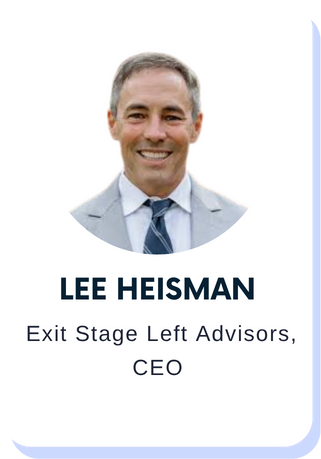
An entrepreneur and M&A expert who helps business owners position, scale, and sell their companies for maximum value. Lee brings a sharp perspective on how economic shifts and AI disruption are rewriting the rules of exit strategy.
Stanton’s segment digs into the legal and structural side of OBBBA for families who own operating businesses and meaningful real estate. With the exemption clarified at a much higher level than pre-OBBBA, he explains why 2025 and the years immediately after are prime time to reevaluate your estate plan instead of waiting for rules to change again.
He walks through how estate planners are using different types of trusts to move appreciating assets out of taxable estates while preserving control and access where appropriate. That includes grantor and non-grantor structures, SLATs, family trusts, and arrangements where voting control is separated from economic rights to create smoother successions.
Stanton also shares “war stories” from estates where there was:
His main theme: the goal is not only to pass assets, but also to pass stewardship. That requires clear documents, realistic governance structures, and open family conversations long before a triggering event. Under OBBBA, planning early lets future growth happen in better-positioned vehicles instead of being exposed to estate tax at higher values later.

Stanton Geller and the team at Culp Elliott & Carpenter have spent decades advising entrepreneurs, business owners and high-net-worth families on complex tax, trust, succession and asset-protection strategies.
The final segment brings all four perspectives together in a fast-paced Q&A. Laura moderates questions that range from state-specific tax issues to advanced trust planning, demonstrating how the tax, legal, insurance, and M&A pieces actually line up in real life.
Sample topics covered include:
The Q&A reinforces the central theme of the event: under OBBBA, the best results happen when business owners stop making decisions in silos. A 1031 exchange, a new LLC, a buy-sell update, or a trust strategy shouldn’t happen in isolation. Each decision touches tax, legal, liquidity, and exit planning – and the webinar shows how to get all four working together.
This replay and summary are for educational purposes only and are not individual tax, legal, or investment advice.

© 2026 My CPA Pro, P.C.
Laguna Beach, California · (949) 208-9087
Serving business owners throughout the United States