
OBBBA insurance and liquidity planning is at the center of Charles Melvin’s session, helping business owners prepare for future estate tax and liquidity needs.
Charles steps into the OBBBA conversation with a straightforward premise: if you own a valuable business or portfolio, the IRS is your silent partner at death unless you plan ahead. His focus is on using modern insurance designs, paired with trusts, to create liquidity exactly when the estate tax bill shows up – without forcing a fire sale of the business.
With OBBBA confirming a much higher lifetime exemption for estate and gift taxes, many owners assume they are “safe.” Charles explains why that mindset is dangerous. Business values, real estate, and investment portfolios can grow far beyond today’s numbers. A company worth tens of millions today can easily be worth many multiples in 10–20 years, especially when AI and scale are involved.
He walks through scenarios where:
The lesson: the question is not just “will my estate be taxable today,” but “how will my heirs pay the bill if it is?”
Charles then shows how life insurance, when properly structured, becomes a liquidity engine rather than just a death benefit. The typical structure he describes involves:
When the owner dies, the trust receives tax-free insurance proceeds. The trustee can then use that cash to:
In effect, the trust “buys” the IRS out of the picture using dollars that were leveraged through insurance instead of after-tax cash.
These tools are core elements of effective OBBBA insurance and liquidity planning for entrepreneurs expecting future estate tax exposure.
For official IRS guidance on when life insurance is included in the taxable estate, see the IRS Form 706 instructions on life insurance includibility.
One of Charles’ strongest points is that sophisticated clients are not buying insurance because they are afraid; they are buying it because they want to control outcomes. He describes clients who choose to fund large, permanent policies specifically to:
These designs are not “cookie-cutter.” Charles emphasizes that his team represents many carriers and product types, and that the real work is in analyzing each family’s situation with their CPA and attorney to decide:
Charles continuously ties insurance back to the bigger picture the webinar explores. Insurance:
Under OBBBA, all of these decisions are easier to make because the rules are clearer. But they still have to be made proactively. Waiting until health issues appear, or until the estate is already in tax territory, usually means fewer options and worse terms.
Charles’ bottom line: if you expect your business and investments to keep growing under OBBBA, you should expect your estate tax exposure to grow too. Properly designed, trust-owned insurance can turn that problem into a controlled, funded plan that protects your heirs and your life’s work.
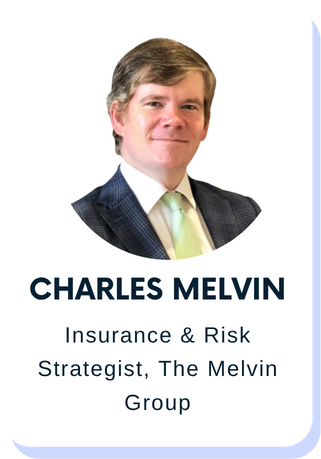
Charles helps business owners turn insurance from a cost center into a strategic shield — integrating coverage, deductibility, and asset protection. Known for his authentic, educational approach, he bridges insurance with real financial strategy.
This summary is educational only and not individual tax, legal, or investment advice.

© 2026 My CPA Pro, P.C.
Laguna Beach, California · (949) 208-9087
Serving business owners throughout the United States