
OBBBA exit planning and AI disruption are central themes in Lee Heisman’s session, offering business owners a clear view of how the new rules and technology shifts affect valuations and exit timelines.
Lee brings a dealmaker’s perspective to OBBBA, focusing on the real timelines, valuations, and expectations that founder-led owners face when they go to market. His firm specializes in blue-collar and service businesses, often in the $2–20 million EBITDA range, and he shares what he’s seeing across hundreds of millions of dollars in recent transactions.
One of Lee’s first slides is a simple but sobering chart: real deals and their durations. Closed transactions routinely take:
Owners often think that once they “decide to sell,” a closing is just around the corner. In practice, the process involves:
Lee’s message is clear: if you wait until you are burned out to think about exit, you’re already behind schedule.
For IRS guidance on capital gains and basis rules that impact business sale taxation, see the IRS Topic No. 409 on Capital Gains and Losses.
Lee then connects exit planning with AI and automation trends. Private equity firms and family offices are aggressively targeting:
AI and better data are raising the bar. Buyers are no longer impressed by “heroic effort” from the founder; they want operational efficiency and documented processes that can scale. Businesses that use technology to standardize service delivery, scheduling, and back-office operations tend to command better multiples.
These changes highlight why OBBBA exit planning and AI disruption must now be considered together when preparing a founder-led business for market.
To illustrate how buyers think, Lee explains:
Understanding these patterns helps owners position their businesses as either:
In both cases, clean financials, consistent margins, and strong teams matter far more than raw top-line revenue.
Lee also addresses the emotional side of exits. He shows a map of recent deals with closing dates and valuations, then overlays the time it took to get there. The pattern is that happiness is all about expectations. Owners who understand the time, effort, and trade-offs involved are far more satisfied with their outcomes than those who held unrealistic expectations or rushed the process.
He encourages owners to think through:
These decisions tie directly into how the deal is structured – and, as Laura and Stanton point out, how tax and estate planning should be sequenced.
Lee repeatedly reinforces that exit planning cannot be separated from tax and estate planning. In the OBBBA environment:
His closing encouragement is simple: treat your exit as a project, not an event. Start early, align your advisory team, and use the clarity OBBBA provides to build both a tax-efficient structure and a sellable, scalable business.
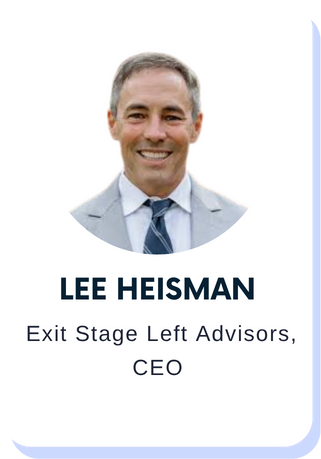
An entrepreneur and M&A expert who helps business owners position, scale, and sell their companies for maximum value. Lee brings a sharp perspective on how economic shifts and AI disruption are rewriting the rules of exit strategy.
This summary is educational only and not individual tax, legal, or investment advice.

© 2026 My CPA Pro, P.C.
Laguna Beach, California · (949) 208-9087
Serving business owners throughout the United States